ELECTRICAL TECHNICIAN
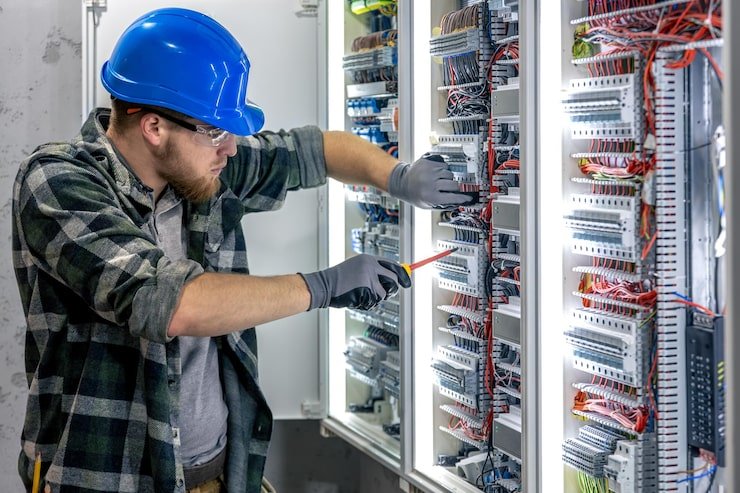
Electrical Technician: A Skilled Professional Powering Modern Life
Introduction
Electrical technicians play a vital role in today’s world by installing, maintaining, troubleshooting, and repairing electrical systems that power homes, businesses, factories, and public infrastructure. From residential wiring to complex industrial machinery, these skilled professionals ensure that electrical equipment operates safely, efficiently, and reliably. As technology continues to evolve, the demand for qualified electrical technicians continues to grow, making it one of the most valuable and rewarding technical careers.
Who Is an Electrical Technician?
An electrical technician is a trained professional who works with electrical systems, equipment, and components. Their responsibilities include installing electrical wiring, testing circuits, repairing faulty equipment, performing preventive maintenance, and ensuring compliance with electrical codes and safety standards.
Electrical technicians work in a variety of environments, including residential buildings, commercial properties, industrial plants, hospitals, schools, construction sites, and government facilities.
Roles and Responsibilities
Electrical technicians perform a wide range of tasks depending on their area of specialization. Common responsibilities include:
Installing electrical wiring and power distribution systems.
Reading and interpreting electrical blueprints and technical drawings.
Inspecting electrical systems for faults and safety hazards.
Troubleshooting electrical problems using testing equipment.
Repairing or replacing damaged electrical components.
Installing lighting systems, switches, sockets, and circuit breakers.
Maintaining motors, generators, transformers, and control panels.
Testing electrical equipment for proper operation.
Performing preventive maintenance to reduce equipment failures.
Ensuring all work complies with local electrical codes and safety regulations.
Essential Skills
Successful electrical technicians possess both technical knowledge and practical skills. Important skills include:
Strong understanding of electrical principles.
Ability to read wiring diagrams and schematics.
Problem-solving and troubleshooting abilities.
Knowledge of electrical safety procedures.
Manual dexterity and precision.
Good communication and teamwork skills.
Time management and organizational abilities.
Familiarity with electrical testing instruments.
Physical fitness for working in demanding environments.